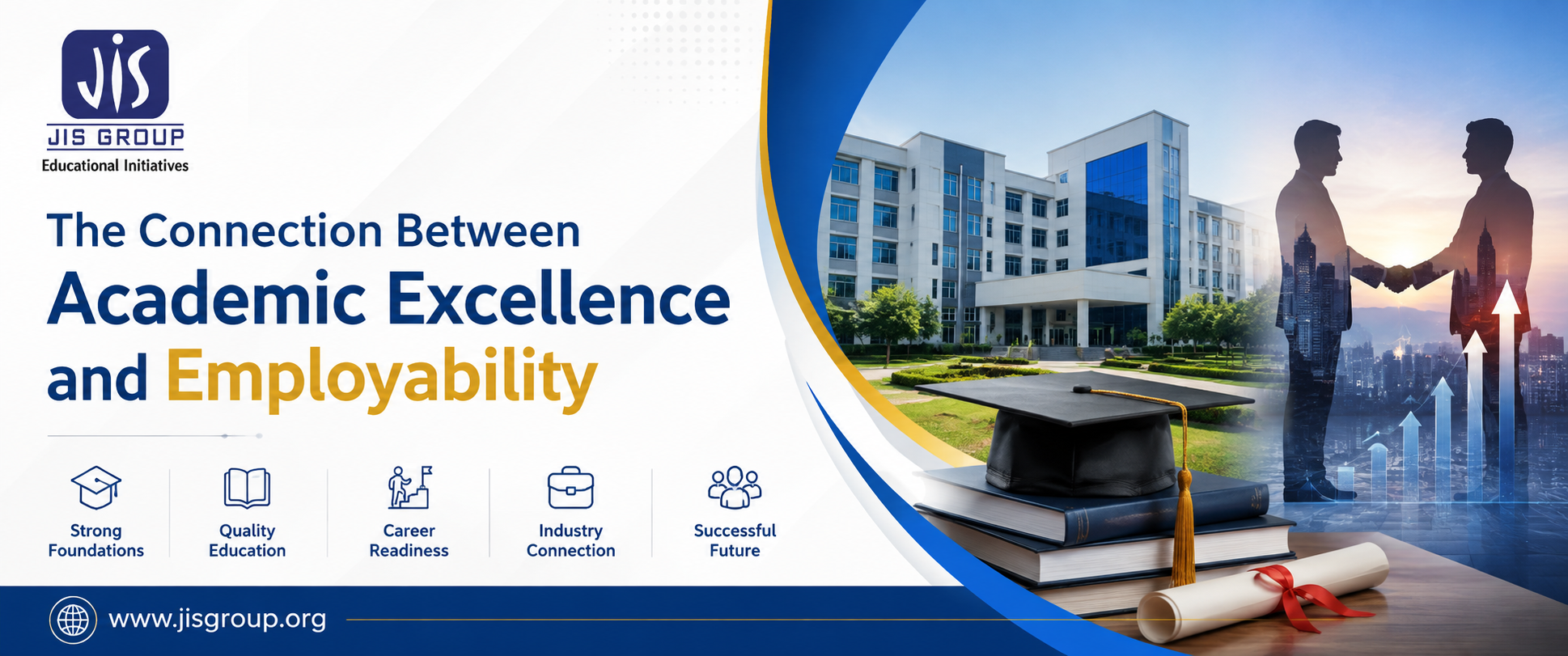
Choosing an engineering college is one of the most important decisions a student will make after Class 12. While many students focus only on rankings or campus facilities, employers today are looking for something much more valuable graduates who combine strong academic knowledge with practical skills.
This is why students and parents are increasingly searching for the best engineering colleges in West Bengal that not only deliver quality education but also prepare graduates for successful careers. In 2026, academic excellence alone is no longer enough. The ability to solve problems, work in teams, communicate effectively, and adapt to new technologies plays an equally important role in employability.
Let's understand how academic excellence directly influences career success and what students should consider before choosing an engineering college.
Why Academic Excellence Still Matters
Academic excellence is more than scoring high marks in examinations. It reflects how well students understand concepts, develop analytical thinking, and apply knowledge to real-world challenges.
Students from reputed best engineering colleges in West Bengal usually receive:
-
Strong conceptual learning
-
Experienced faculty guidance
-
Research opportunities
-
Industry-oriented curriculum
-
Better internship exposure
Employers often consider academic performance as an indicator of discipline, consistency, and learning ability, especially during campus recruitment.
Understanding Employability in 2026
Employability refers to a graduate's ability to secure, retain, and grow in a professional career.
Modern companies expect engineering graduates to possess both technical expertise and workplace skills.
Skills Employers Value Today
-
Technical problem-solving
-
Programming knowledge
-
Critical thinking
-
Communication skills
-
Team collaboration
-
Adaptability
-
Leadership potential
-
Digital literacy
According to recent industry reports, employers increasingly prefer graduates who have practical experience alongside academic achievements.
How Best Engineering Colleges in West Bengal Improve Employability
Industry-Oriented Curriculum
Leading institutions regularly update their curriculum according to industry requirements.
Students studying in reputed B.Tech colleges in West Bengal gain exposure to:
-
Artificial Intelligence
-
Machine Learning
-
Data Science
-
Internet of Things (IoT)
-
Robotics
-
Cybersecurity
-
Cloud Computing
This makes graduates industry-ready from day one.
Practical Learning Beyond Classrooms
Engineering is a practical profession.
Good colleges emphasize:
-
Laboratory experiments
-
Industrial visits
-
Live projects
-
Hackathons
-
Innovation competitions
-
Product development
These activities significantly improve employability.
Internship Opportunities
Internships bridge the gap between classroom learning and industry expectations.
Students receive experience in:
-
Software development
-
Manufacturing
-
Electronics
-
Civil infrastructure
-
Core engineering industries
-
Research organizations
Many internships even convert into pre-placement offers.
Strong Placement Support
The best engineering colleges in West Bengal invest heavily in placement training through:
-
Resume building
-
Aptitude preparation
-
Mock interviews
-
Group discussion practice
-
Technical interview coaching
These initiatives increase placement success rates.
The Role of Engineering Education in West Bengal in Career Growth
The quality of engineering education in West Bengal has improved significantly over the last decade.
Several institutions now collaborate with:
-
Technology companies
-
Manufacturing industries
-
Research organizations
-
International universities
These collaborations provide students with:
-
Industry certifications
-
Global exposure
-
Research projects
-
Internship opportunities
-
Placement assistance
As a result, graduates become more competitive in both national and international job markets.
Admission Trends for Engineering in 2026
Engineering admissions are becoming increasingly skill-focused.
Students are now choosing colleges based on:
-
Placement records
-
Industry partnerships
-
Internship opportunities
-
Modern laboratories
-
Research facilities
-
Startup incubation support
-
Faculty expertise
-
Global collaborations
Parents are also evaluating long-term career outcomes rather than just tuition fees.
Step-by-Step Admission Guidance for 2026
Step 1: Choose Your Preferred Engineering Stream
Popular engineering specializations include:
-
Computer Science Engineering
-
Artificial Intelligence & Machine Learning
-
Electronics & Communication Engineering
-
Mechanical Engineering
-
Civil Engineering
-
Electrical Engineering
-
Information Technology
-
Data Science
Step 2: Check Eligibility
Generally, students need:
-
Class 12 (PCM)
-
Minimum qualifying percentage
-
Valid entrance examination score (where applicable)
Step 3: Research Colleges
Compare:
-
Accreditation
-
Faculty
-
Placement records
-
Industry exposure
-
Campus facilities
-
Alumni success
Step 4: Apply Before Deadlines
Keep ready:
-
Academic documents
-
Entrance scorecards
-
Identity proof
-
Passport-size photographs
Step 5: Attend Counselling
Select the college that aligns with your career goals rather than simply choosing the nearest campus.
Comparison of Popular Engineering Streams
|
Engineering Stream |
Eligibility |
Career Scope |
Average Starting Salary |
|
Computer Science |
PCM + Entrance |
Software Engineer, AI Engineer |
₹5–12 LPA |
|
AI & ML |
PCM + Entrance |
AI Developer, Data Scientist |
₹6–15 LPA |
|
Mechanical |
PCM + Entrance |
Design Engineer, Manufacturing |
₹4–8 LPA |
|
Civil |
PCM + Entrance |
Structural Engineer, Construction |
₹4–7 LPA |
|
Electrical |
PCM + Entrance |
Power Systems, Automation |
₹4–8 LPA |
|
Electronics |
PCM + Entrance |
Embedded Systems, VLSI |
₹5–10 LPA |
Salary figures vary by employer, location, skills, internships, and market conditions.
Career Opportunities After Different Engineering Streams
Computer Science
Career options include:
-
Software Developer
-
Full Stack Developer
-
Cloud Engineer
-
AI Engineer
-
Cybersecurity Analyst
Mechanical Engineering
Students can become:
-
Design Engineer
-
Production Engineer
-
Automotive Engineer
-
Robotics Specialist
Civil Engineering
Career options include:
-
Site Engineer
-
Structural Consultant
-
Project Manager
-
Smart Infrastructure Engineer
Electronics Engineering
Opportunities include:
-
Embedded Systems Engineer
-
Chip Design Engineer
-
Telecom Engineer
-
IoT Specialist
Required Skills for Future Engineers
Academic scores help secure interviews, but employers also value practical competencies.
Students should develop:
-
Coding skills
-
Communication
-
Project management
-
Teamwork
-
Time management
-
Data analysis
-
Creativity
-
Adaptability
-
Business awareness
The combination of strong technical education and professional skills creates highly employable graduates.
Future Industry Demand in 2026 and Beyond
Technology is transforming every engineering discipline.
Growing sectors include:
-
Artificial Intelligence
-
Electric Vehicles
-
Semiconductor Manufacturing
-
Renewable Energy
-
Robotics
-
Smart Cities
-
Aerospace
-
Healthcare Technology
Experts predict sustained demand for engineers with interdisciplinary knowledge, making continuous learning essential.
The future of engineering education in West Bengal is expected to become increasingly interdisciplinary, combining engineering with management, data science, sustainability, and entrepreneurship.
To keep pace with changing industry needs, many institutions are regularly updating their engineering courses by introducing subjects such as Artificial Intelligence, Data Science, Robotics, Cybersecurity, and Sustainable Engineering. These modern curricula help students develop future-ready skills that employers actively seek.
Practical Tips for Students and Parents
When selecting among B.Tech colleges in West Bengal, don't focus only on rankings.
Instead, evaluate:
-
Placement statistics
-
Faculty qualifications
-
Industry tie-ups
-
Research opportunities
-
Accreditation
-
Internship support
-
Alumni achievements
-
Infrastructure
-
Innovation ecosystem
Parents should also encourage students to choose courses based on interest and aptitude rather than peer pressure.
Real-World Example
Imagine two engineering graduates.
Student A scores excellent grades but has no internship or project experience.
Student B maintains good academics while completing internships, certifications, and industry projects.
Most recruiters are likely to prefer Student B because they demonstrate both academic ability and workplace readiness. This example highlights why academic excellence should be complemented with practical learning.
Frequently Asked Questions (FAQs)
1. Why are academics important for engineering placements?
Strong academics demonstrate discipline, learning ability, and technical understanding, which many recruiters value during hiring.
2. Which engineering specialization has the best future?
Fields such as AI, Machine Learning, Data Science, Cybersecurity, and Electronics are expected to see strong demand, though opportunities remain across core engineering disciplines.
3. How do internships improve employability?
Internships provide practical experience, industry exposure, networking opportunities, and often lead to pre-placement offers.
4. What should parents consider before selecting an engineering college?
Check accreditation, placement records, faculty quality, infrastructure, industry collaborations, internship support, and alumni success.
5. Are communication skills important for engineers?
Yes. Employers expect engineers to communicate ideas effectively, collaborate with teams, and present solutions confidently.
6. What is the admission process for engineering in 2026?
Most institutions consider Class 12 eligibility along with applicable entrance examination scores, followed by counselling and document verification.
Conclusion
Academic excellence continues to be the foundation of a successful engineering career, but in today's competitive world, employability depends on much more than classroom performance. Practical learning, internships, communication skills, innovation, and industry exposure all contribute to long-term career success.
Choosing one of the best engineering colleges in West Bengal can provide students with the right academic environment, modern technical education, industry partnerships, and placement support needed to thrive in the evolving job market. If you're planning your B.Tech Admission 2026, start researching colleges early, compare programs carefully, connect with admissions teams, and explore engineering specializations that align with your interests and career goals. Taking informed decisions today can help you build a strong foundation for a successful engineering career tomorrow.